
Slate vs Tile Roofing: Which Is Best for UK Homes?
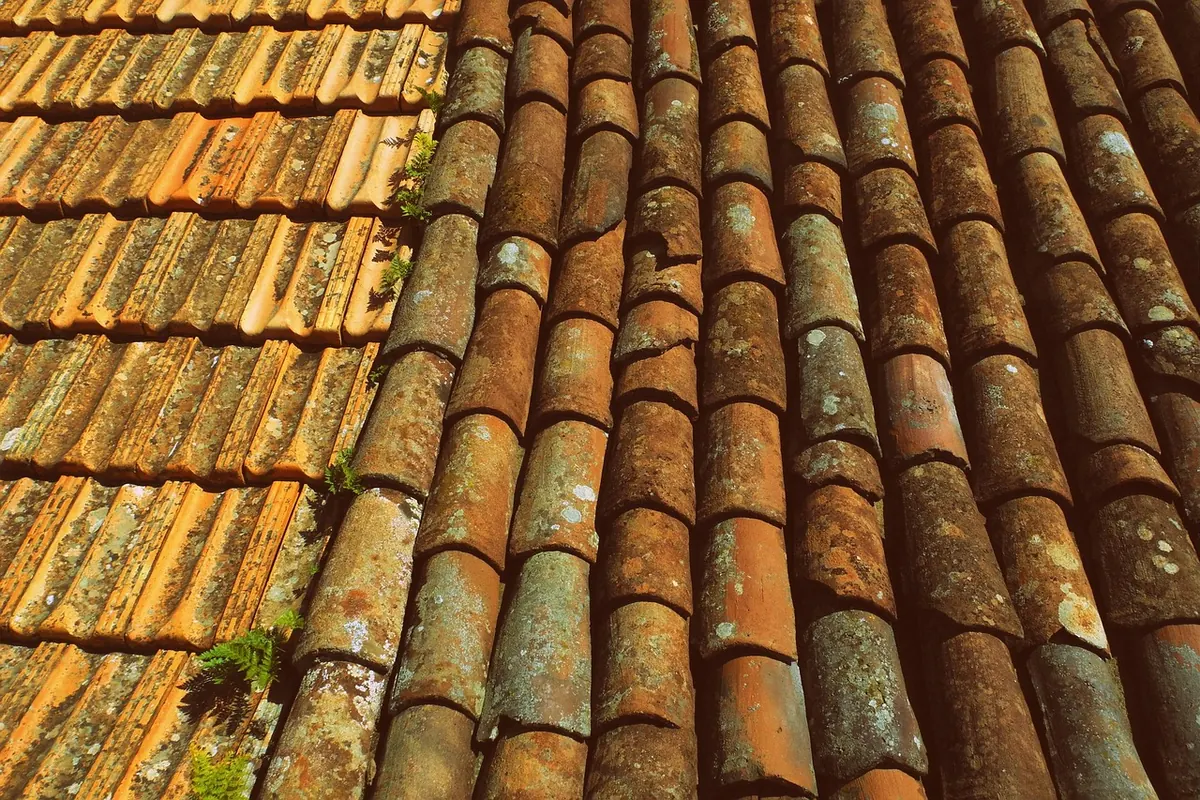
Two houses on the same street, built in the same year. One still wears its original roof. The other has been re-covered twice. The difference is usually what sits on top of the battens. Natural slate and clay or concrete tiles are the two realistic options for most UK pitched roofs, and the decision comes down to rather more than looks.
Lifespan: what you are actually buying
Natural slate is the long game. Split and trimmed stone, laid by hand, will typically give 75 to 100 years, and plenty of Welsh and Cumbrian roofs are older than that. Imported slate is more variable. Spanish and Brazilian stone is generally dependable, but cheaper imports can delaminate, fade or flake within a couple of decades. Ask where the slate is quarried and what grading it meets.
Clay tiles often run to 60 years or more. The plain tiles on Victorian terraces are still doing their job a century on, though repeated freeze-thaw cycles take their toll, and some makes delaminate rather than crack cleanly.
Concrete tiles are the workhorse of postwar housing: 40 to 60 years is a fair expectation. The colour fades, the surface granules wash off over time, and moss settles happily in the laps.
One thing people overlook is that the fixings often fail before the covering does. Copper or stainless steel nails last; galvanised nails on an older roof can rust through and send slates sliding after a gale.
Cost: upfront against the long run
Natural slate costs the most per square metre, often several times a concrete tile covering once fixings, labour and breakages are counted. Clay sits in the middle, concrete at the bottom. Cost per year of life narrows the gap considerably, particularly when you remember that scaffolding is not cheap and you will pay for it every time the roof is touched.
Ask for itemised quotes: covering, battens, underlay, fixings, leadwork, ventilation, scaffold and waste removal. A quote with a single line on it is a quote you cannot compare with anything.
Two practical tips. First, check the contractor's insurance and ask to see similar roofs they have completed locally. Second, if you are re-covering a large area, use the moment to top up loft insulation and check ventilation. Doing it later means paying for the scaffold twice.
Appearance and local character
Slate is thin, sharp-edged and cool in tone, running from blue-grey through to purple-green, with subtle variation from stone to stone. Older roofs often use diminishing courses, with larger slates at the eaves and smaller ones at the ridge, which is part of why they look so good from the street.
Concrete tiles are thicker and more uniform. Modern slate-effect versions are convincing from the pavement and less so from a dormer window. Clay brings warmth (reds, oranges, buffs) and varies by region: plain clay tiles across the south-east, pantiles in the east, rosemary in the north.
Planning and permissions
That regional character is where planning gets involved. Changing the covering on a roof is not automatically permitted.
- Listed buildings: listed building consent is almost always required, and it covers materials and fixing methods, not just colour. Swapping slate for concrete is normally refused.
- Conservation areas and Article 4 directions: permitted development rights are often withdrawn, so a change of roof covering may need a full planning application.
- National parks and areas of outstanding natural beauty: similar restrictions, usually with a strong preference for matching what is already there.
- Flats and leasehold houses: check the lease and speak to the freeholder or managing agent before ordering materials.
- Building Regulations: re-covering a roof is not normally notifiable, but structural alterations and thermal upgrades are. If you are replacing a large proportion of the roof, insulation standards may well apply.
A phone call to the local planning authority's duty officer costs nothing and can save a great deal. For anything structural, or on a listed building, take proper professional advice from a structural engineer or a conservation-accredited surveyor before work starts.
Weight, pitch and structure
Concrete tiles are generally heavier than natural slate per square metre. That matters on older properties where rafters and trusses were sized for a lighter covering; extra weight can bow a roof or worse. It matters equally if you are moving from a lightweight covering to a heavier one on a modern house with a trussed roof.
Pitch matters too. Slates and plain clay tiles need a reasonably steep roof to shed water, typically 20 degrees and upwards depending on headlap and exposure. Interlocking concrete tiles can be laid at lower pitches, often down to around 15 degrees with the correct underlay and lap, and some systems go lower still. Below that you are into a different specification altogether.
Maintenance and repair
Slate is repairable slate by slate. A roofer with a slate ripper can cut the nails on a cracked slate and slide a replacement into place in a few minutes. The parts that usually fail first are the flashings, valleys and mortar, not the stone itself.
Clay and concrete fail differently: cracked, slipped or delaminated tiles, moss in the laps, crumbling mortar along ridges and hips. All are fixable, but a roof where a dozen tiles have gone is telling you something about the ones you cannot see.
For both coverings, clear the gutters twice a year, check leadwork and flashings after storms, and stay sceptical about spray-on coatings that promise decades of extra life. The evidence for them is thin.
Making the decision
If the house is listed, sits in a conservation area, or is part of a terrace where matching matters, the material may be chosen for you. Start with planning, not with a builder.
If you have a free hand, weigh how long you intend to stay. Concrete tiles are an honest, sensible choice on a budget or a shorter horizon. Clay gives a warmer look and a longer life for a moderate premium. Natural slate costs the most, and it is the only one likely to see out the century. It will also still look right when everything around it has been re-covered.
Whichever route you take, get the specification in writing, insist on corrosion-resistant fixings, and collect at least three quotes from contractors who can show you finished work nearby.
Photo: jenefert / Pixabay